Loading...
Serving Wilkes-Barre, PA and surrounding areas. (272) 447-0191
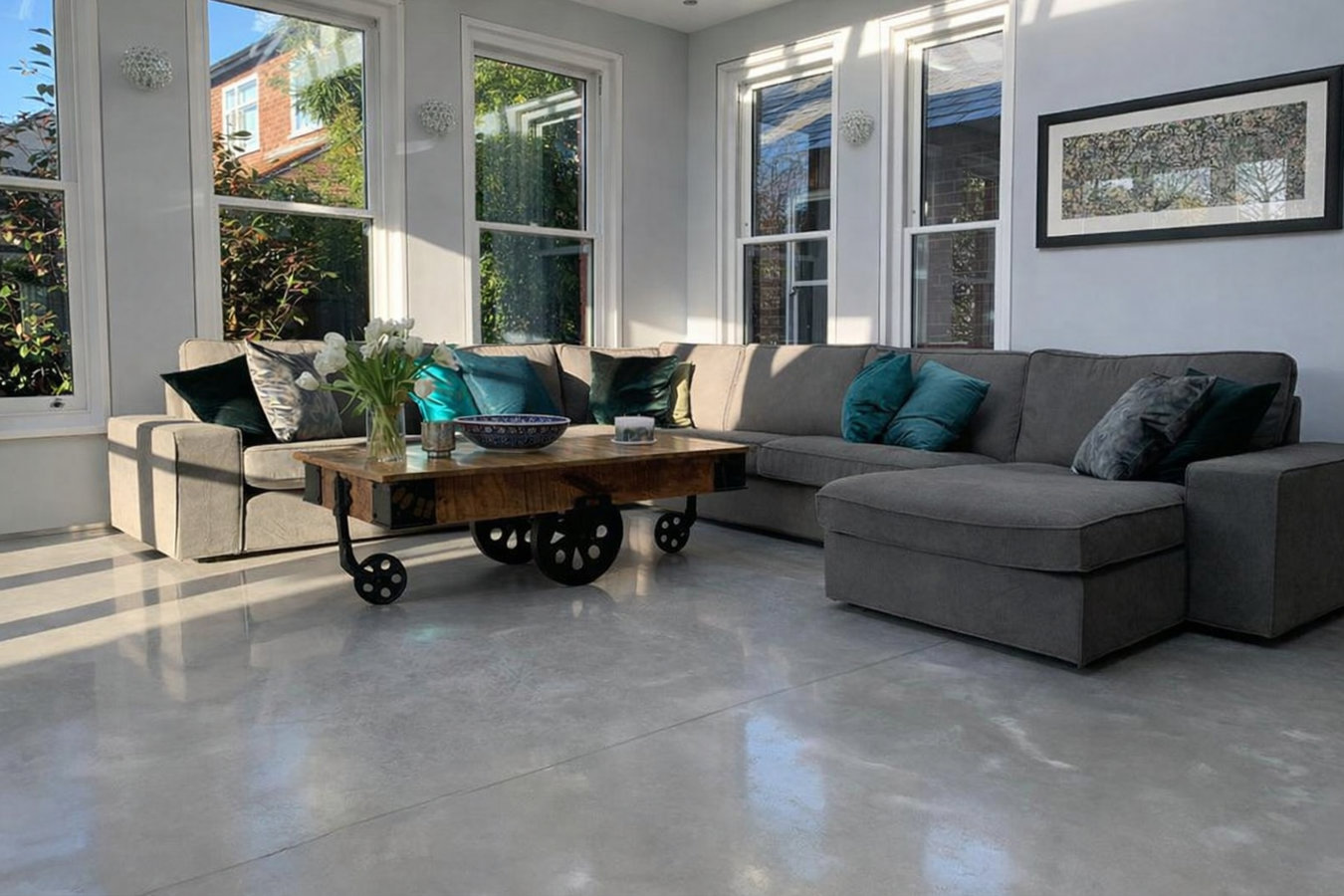
Old basement and garage floors in Wilkes-Barre crack, heave, and let in moisture. We pour new concrete floors built to handle Pennsylvania winters and give you a solid, dry surface that lasts.
Concrete floor installation in Wilkes-Barre starts with removing the old surface, compacting the base, and pouring a new slab at the right thickness - most residential jobs take one to three days of active work and the floor is ready for light use within a week.
A lot of Wilkes-Barre homes have basement and garage floors that were poured 50 or more years ago - thinner than today's standards, without modern reinforcement, and not sealed against moisture. Patching cracks in a floor like that is usually a short-term fix. A properly poured new floor solves the underlying problem and gives you a surface you can count on.
If your garage needs a new floor and you want to explore surface options or finishes, our garage floor concrete service covers the specific needs of garage slabs, including vehicle loads and surface treatments.
If you have patched cracks in your basement or garage floor and they keep reopening, or if you see new cracks appear each spring, the slab itself is failing. In Wilkes-Barre, the combination of cold winters and older slabs makes this pattern common in homes built before 1970. Patching buys time; replacement solves the problem.
Walk slowly across your floor and notice whether any sections shift slightly when you step on them, or whether the surface is noticeably higher in some spots than others. This unevenness often means the ground underneath has settled - something that happens in parts of Wilkes-Barre due to the region's mining history and variable soil conditions. An uneven floor is also a tripping hazard that gets worse over time.
If your basement floor always feels damp to the touch, or if you see a chalky white residue on the surface, moisture is moving up through the slab. That white powder is mineral deposits left behind as water evaporates - a clear sign the slab is not keeping moisture out. In Wilkes-Barre, with its river floodplain history and older housing stock, this is one of the most common reasons homeowners replace their floors.
When the top layer of a concrete floor starts to flake off in chips, or the surface looks pitted and rough, the slab has reached the end of its useful life. This kind of surface deterioration is especially common in older Wilkes-Barre homes where the original floor was poured with a mix that does not hold up well to decades of freeze-thaw stress. Once the surface starts breaking down, it accelerates and cannot be fixed with a coating.
We handle everything from demolition of the old floor to the final walkthrough. Before any concrete goes down, we compact the subgrade and check for moisture issues - because pouring a new slab over an unresolved water problem just delays it by a few years. Most residential floors are poured at four inches, with areas that will hold vehicles or heavy equipment done at five or six inches. We also place wire mesh or rebar reinforcement before the pour to keep any future cracks from spreading. If your project needs a building permit, we handle that with the City of Wilkes-Barre in our name. Homeowners who want a finished look can also explore our concrete pool decks page for ideas on surface treatments and finishes that carry through to interior floors.
After the pour, we apply a curing treatment to protect the new slab while it reaches full strength - this step matters more in Wilkes-Barre's variable weather than it would in a milder climate. We do not consider the job done until we have walked the space with you, answered your questions, and told you exactly what to avoid during the curing period.
For homes with aging slabs that crack, heave, or let in moisture - a complete replacement with proper base prep and sealing built in.
Poured at the thickness needed to handle vehicle loads, with a broom or trowel finish depending on your preference.
For laundry rooms, workshops, and utility spaces that need a flat, durable surface without decorative finishes.
For homeowners finishing a basement or wanting a cleaner look - sealed floors resist stains and moisture and make a utility space feel finished.
Much of Wilkes-Barre's housing stock was built in the mid-20th century or earlier, and many of those homes have original basement floors that are now 50 to 80 years old. These older slabs were often poured thinner and without modern reinforcement, and the freeze-thaw cycles Wilkes-Barre gets every winter - temperatures repeatedly crossing the freezing point from December through March - accelerate the cracking and heaving that shows up in older slabs. Homeowners in areas like Plains and Nanticoke deal with this regularly, and a properly poured replacement is almost always a better investment than repeated patching.
Wilkes-Barre also sits in or near the Susquehanna River floodplain, and even homes outside the flood zone often deal with high water tables and seasonal moisture. A new concrete floor in a basement with moisture problems needs drainage and vapor management built into the pour - not added as an afterthought. We assess moisture before any concrete goes down, so the new floor addresses the problem rather than covering it up. Parts of the city also sit above old coal mine workings, and we ask about that during the site visit because it can affect how the base needs to be prepared.
Reach out by phone or through the contact form and you will hear back within one business day. Tell us the size of the area, what is there now, and what you want the finished floor to look like.
We walk the space, check the existing floor or subgrade, and look for any moisture or settling issues. You get a written estimate broken out by demolition, prep, pour, and finishing - no bundled totals that hide what you are actually paying for.
The crew removes the old floor, hauls debris, compacts the base, places reinforcement, and pours the new slab in one focused operation. We treat the surface and apply curing protection before we leave for the day.
We walk you through the curing timeline - light foot traffic within 48 hours, light use within a week, full strength in about a month. We cover what to avoid and answer any questions before the job is closed out.
Free written estimate. No obligation. We get back to you within one business day.
(272) 447-0191We check where moisture is coming from during the site visit, not after the new slab has already been poured over an unresolved water problem. That upfront assessment is what separates a floor that stays dry from one that has the same damp smell two years later.
Pouring too thin is one of the most common reasons residential slabs crack prematurely. We pour basement floors at four inches minimum and garage floors thicker where vehicle loads require it - the right thickness for the right use.
If a repair will genuinely hold, we will tell you. If the slab has reached the end of its life and repair will fail within a few seasons, we will explain why. You get a straight answer based on what we see - not a pitch for the most expensive option. The Portland Cement Association provides guidance on when concrete floors can be repaired versus replaced.
We work on the aging slabs, mine subsidence considerations, and moisture conditions specific to homes throughout Wilkes-Barre and the surrounding area. Local experience means fewer surprises when the crew opens up the floor and sees what is underneath.
A properly poured concrete floor should not require your attention again for decades. That is the standard we hold every pour to, whether it is a 200-square-foot utility room or a full basement replacement in Wilkes-Barre.
Extend your concrete work to outdoor pool surrounds with slip-resistant finishes and durable surfaces.
Learn MoreGarage-specific floor pours designed to handle vehicle loads, oil spills, and years of heavy use.
Learn MoreWilkes-Barre crews book up once the weather turns - call or submit your project today to get on the schedule before the busy season.