Loading...
Serving Wilkes-Barre, PA and surrounding areas. (272) 447-0191
Building new or replacing a failing foundation? We install basement, crawl space, and slab foundations with proper frost depth, waterproofing, and city permits - so your home is protected for the long term.
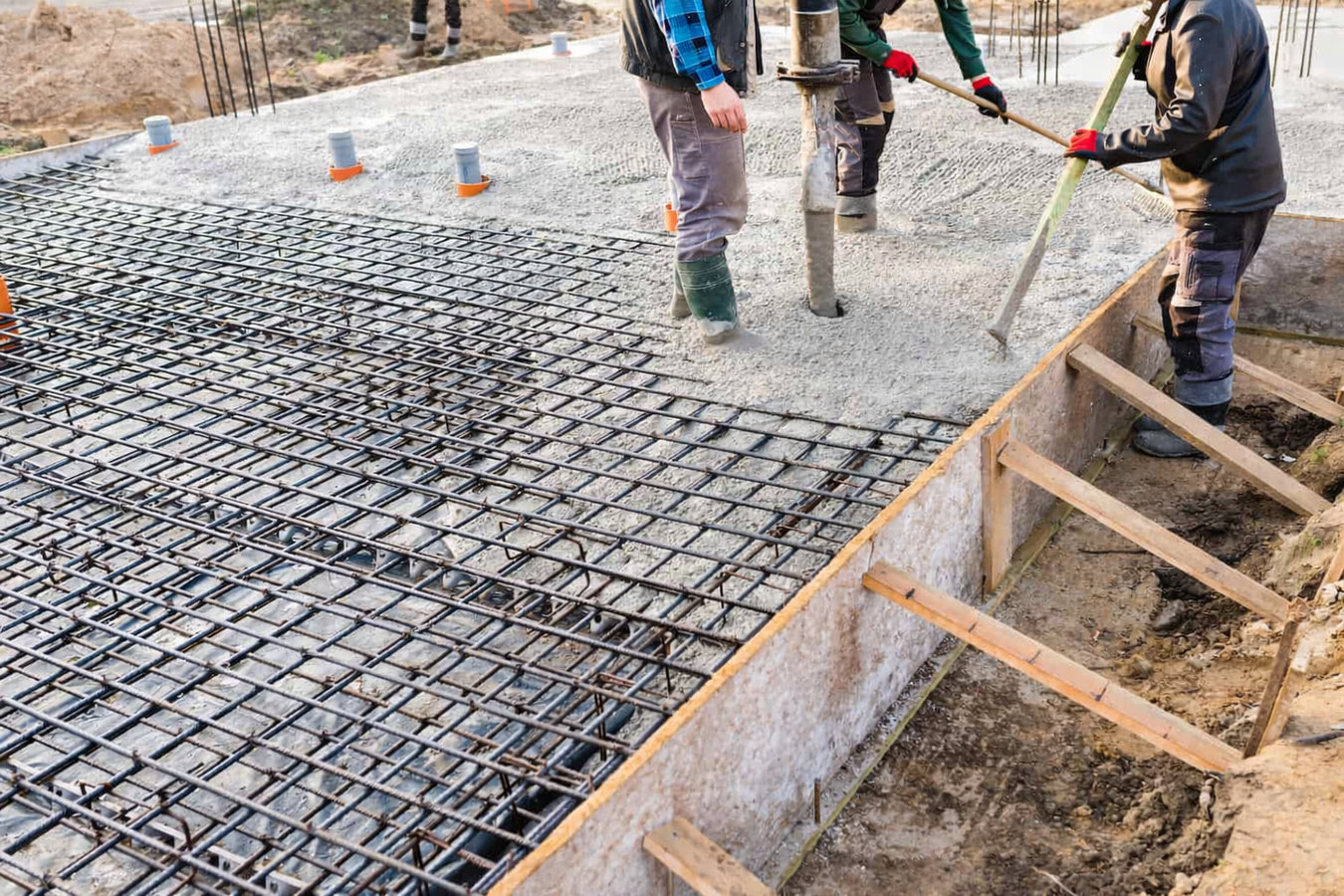
Foundation installation in Wilkes-Barre means excavating to below the frost line, preparing the soil base, setting forms, pouring and curing the concrete, applying exterior waterproofing, and installing drainage before backfilling - most single-home projects take one to two weeks of active crew work, with a full timeline from first call to ready-to-frame of four to six weeks.
A foundation is not just the floor under your home - it is the platform everything else rests on. When it fails, the whole house moves with it: doors jam, floors slope, walls crack. In Wilkes-Barre, most homes in neighborhoods like the Heights, Parsons, and South Wilkes-Barre were built in the early 1900s with stone or brick foundations that were never designed to last indefinitely. Replacing them is more involved than new construction, but it is work we do regularly. For projects that need a flat concrete base without below-grade walls, we also build slab foundations. For commercial or large paved areas needing structural support, our concrete parking lot building service handles the surface work that often follows foundation prep on larger properties.
The permit and inspection process exists for your protection - it means an independent reviewer checks the hidden work before it is covered up forever. We handle every step of that process so you have documentation that the job was done to code.
National Association of Home Builders publishes timelines and guidance on what new foundation work involves for homeowners planning residential construction.
If you have patched cracks in your basement walls before and they keep returning - especially diagonal cracks at the corners of windows or doors - that is a sign the foundation itself is moving. Cracks that grow wider over time or that you can fit a quarter into are worth having a professional assess. In older Wilkes-Barre homes, this kind of movement often indicates a stone or brick foundation that has reached the end of its useful life.
When a foundation shifts, the frame of your house shifts with it. If doors or windows that used to open and close smoothly have started sticking, jamming, or leaving visible gaps, that is often one of the first signs homeowners notice. In older Wilkes-Barre homes built before World War II, this kind of movement can indicate the original stone or brick foundation needs attention.
Wilkes-Barre gets significant rainfall and snowmelt, and the city's older neighborhoods often have drainage systems that were not designed for modern water volumes. If you regularly find water on your basement floor after heavy rain or during spring thaw, the foundation's waterproofing has likely failed. Water that gets in repeatedly accelerates foundation deterioration and should not be treated as a minor inconvenience.
Stand in your basement and look at the walls straight on. If any wall appears to curve inward, or if you can see horizontal cracks running across the middle of a wall, that wall is under pressure from the soil outside. This is a more serious sign that the foundation is being pushed inward and needs professional evaluation. In areas of Wilkes-Barre with mine activity below, uneven ground movement can accelerate this kind of wall stress.
We handle the full scope of foundation installation - from permit application and excavation through forming, pouring, waterproofing, drainage installation, and backfill. Before any concrete is ordered, we assess the soil on your specific lot and check whether your property falls in a mapped mine subsidence zone. Frost depth compliance is built into every design - in Luzerne County that means building below 36 inches to prevent the freeze-thaw cycle from pushing the foundation out of position. For homeowners building over an existing slab rather than a below-grade structure, our slab foundation building service handles that work. For properties that need additional structural support columns or piers, we coordinate concrete parking lot building and other surface work to complete the project.
Waterproofing is not optional on this work - it is built into every foundation we install. Exterior membrane application, perimeter drainage tile, and sump pump rough-in are standard parts of the scope for below-grade foundations. The Susquehanna River valley has a high water table in many neighborhoods, and a foundation without proper drainage is a wet basement waiting to happen.
Suits new construction and foundation replacement projects where below-grade living or storage space is the goal.
Suits homeowners who need to raise the structure off the ground but do not require a full basement level.
Suits older Wilkes-Barre homes with failing stone or brick foundations that need to be removed and rebuilt in place.
Wilkes-Barre has three local conditions that make foundation work here more complex than in a newer suburb. First, the older housing stock - most homes in neighborhoods like Parsons, the Heights, and South Wilkes-Barre were built in the early 1900s with stone or brick foundations that require careful removal and matched construction when replaced. Second, the mine history - underground coal mining beneath parts of the city means some properties sit above voids that can shift over time, and a standard foundation design may not be adequate without a subsidence risk check first. Third, the water - the city sits in the Susquehanna River valley, and many properties deal with a high water table and significant spring runoff. Homeowners in Kingston face the same river-valley water challenges, and waterproofing is a required part of every foundation we install in that area.
The frost depth requirement in Luzerne County means every foundation must be built below approximately 36 inches - the depth to which the ground freezes during a typical Wilkes-Barre winter. A foundation built above that depth will be pushed and heaved by the ground every winter until it fails. We build to the correct depth every time, and our permit process confirms it before the concrete is ever poured. Homeowners in Nanticoke face the same frost depth requirements, and we bring the same standards to every job in that area.
We come to your property to assess soil conditions, drainage, your home's age and existing structure, and any mine subsidence risk on your lot. You receive a written estimate that breaks down labor, materials, and permits. We respond within 1 business day to schedule your site visit.
We apply for the building permit through the City of Wilkes-Barre's Bureau of Codes and Inspections before any excavation starts. No contractor should begin digging before that permit is in hand - it protects you legally and financially, and it ensures inspections happen at the right stages.
The crew excavates below the frost line, prepares the soil base, and installs forms for the foundation walls. A city inspector verifies the setup before concrete is poured. This inspection is the step that protects you - it confirms the hidden work meets code before it gets covered up permanently.
Concrete is poured and cured. The crew applies exterior waterproofing, installs perimeter drainage, and backfills the soil once inspections are passed. Concrete reaches full strength at 28 days - we advise you on any restrictions during that time and close out the permit before we consider the job complete.
We respond within 1 business day. No commitment required. Someone from our office will call to schedule a free on-site visit where we assess your soil, drainage, and any local risk factors before giving you a written price.
(272) 447-0191In Luzerne County, the ground freezes to approximately 36 inches in a typical winter. We build every foundation below that depth - not as an option, but as a standard. A foundation that does not account for frost depth will be pushed out of position over time. We can confirm the depth before any concrete is poured because the permit inspection verifies it.
Many properties in the Susquehanna River valley deal with a high water table and significant spring runoff. Every below-grade foundation we install includes exterior waterproofing membrane, perimeter drain tile, and sump pump rough-in as standard scope. Homeowners who have dealt with wet basements after heavy rain know how important this step is.
Before we design any foundation in the Wyoming Valley, we check whether the property falls in a mapped mine subsidence zone. Properties that do may need additional soil assessment or an adjusted foundation design. The Pennsylvania Department of Environmental Protection maintains records of known mining activity - we use them before we quote.
Unpermitted foundation work is one of the most common problems that surfaces during home sales in Luzerne County. We handle the City of Wilkes-Barre permit application, coordinate all required inspections, and give you the documentation showing the work was approved. You should receive that permit number before anyone touches your property.
Foundation work is the one part of your home that you build once and live with permanently. We bring local knowledge of Wilkes-Barre's soil, frost conditions, and mine history to every project - and we back every job with a site visit, written estimate, and full permit documentation.
For independent verification standards on residential concrete work, see the American Concrete Institute and Pennsylvania DEP mine subsidence resources.
For properties that need a durable paved surface after foundation work is complete, we build reinforced concrete parking lots and commercial pads.
Learn MoreWhen a project calls for a flat concrete base rather than a below-grade foundation, we build reinforced slabs for garages, additions, and accessory structures.
Learn MoreSpring and fall booking windows fill quickly in Luzerne County - reach out now to lock in your start date before the weather window closes.