Loading...
Serving Wilkes-Barre, PA and surrounding areas. (272) 447-0191
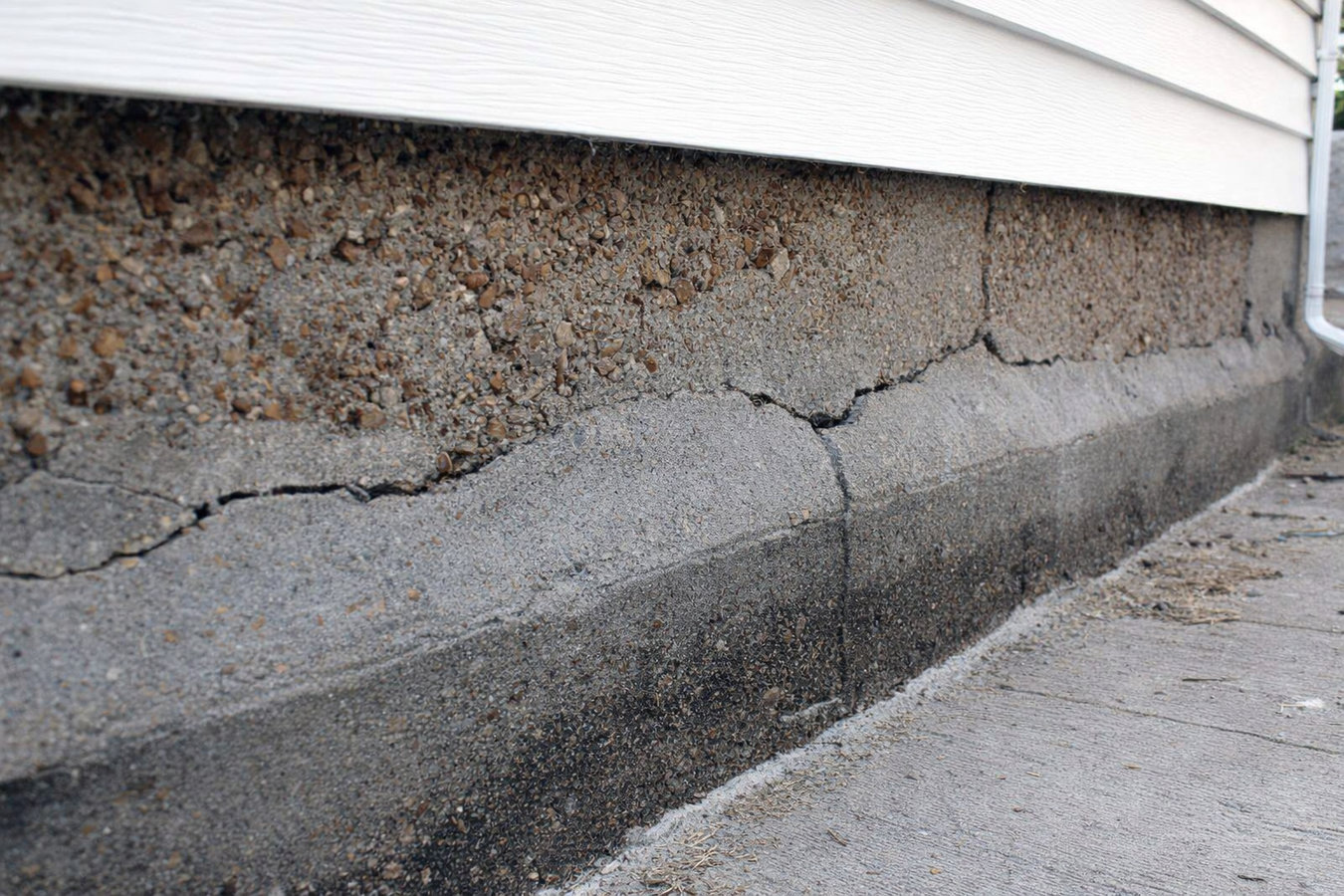
A sunken foundation does not fix itself - and every Wyoming Valley winter makes the problem worse. We lift it back to level, patch the holes, and address the drainage issues that caused the drop.
Foundation raising in Wilkes-Barre, PA is the process of pumping material beneath a sunken slab to fill voids and lift it back to its original level position - most jobs are completed in a single day, often in just a few hours, and the surface can typically be walked on the same day the work is done.
Homeowners in Wilkes-Barre deal with foundation settling more than homeowners in warmer parts of the country. The freeze-thaw cycles that hit northeastern Pennsylvania every winter gradually pull soil away from beneath slabs, and the city has a large share of older homes where the original concrete sits on ground that was never engineered to modern standards. If you have noticed a sloping floor, sticking doors, or a growing gap between your porch and your house, foundation settling is likely the cause.
If the assessment reveals that the existing concrete is too damaged to raise, our slab foundation building service covers full replacement throughout the Wilkes-Barre area.
When a foundation shifts, the frame of your house shifts with it. If a door that used to swing freely now drags on the floor, or a window suddenly feels stiff, that is worth paying attention to. This is especially common in Wilkes-Barre homes where decades of freeze-thaw cycles have worked on the soil beneath the foundation.
Walk along the base of your interior walls and look for places where the floor has pulled away, even slightly. A gap that was not there before - or one that seems to be growing - suggests the floor slab has moved. In homes built on fill soil or near low-lying areas, this kind of movement develops gradually over several winters.
Stand in the middle of a room and notice whether the floor feels level. A ball placed on the floor that rolls on its own is a simple test. Floors that slope noticeably toward one wall, or that feel hollow in spots, suggest the foundation beneath them has dropped and left a void.
Water collecting against your foundation wall or in low spots in your basement floor after heavy rain is actively eroding the soil beneath your slab. Wilkes-Barre has a well-documented history of flooding and drainage problems, and standing water near a foundation is a warning sign that tends to get worse, not better, on its own.
We use two primary methods depending on your soil conditions and the size of the job. Traditional mudjacking pumps a cement-and-soil mixture beneath the slab to fill voids and push the concrete back to level - it is proven, durable, and well-suited to most residential jobs in the Wyoming Valley. For situations where adding weight to soft or flood-affected soil is a concern, foam injection uses an expanding material that is lighter and cures faster. Both methods work through a series of small holes drilled in the slab, which are patched clean when the work is done. If you also need new concrete cutting work alongside the raising - for drainage openings or utility access - we can coordinate both on the same project.
Every job starts with an honest assessment. We look at the slope of the slab, probe for voids, check drainage patterns, and - when the property history warrants it - consider whether mine subsidence in Luzerne County could be a contributing factor. We give you a written estimate before anyone picks up a drill, and we walk you through the results before we leave. If the slab itself is too far gone to raise, we will tell you that rather than collecting payment for work that will not hold.
For homeowners with driveways, basement floors, garage slabs, or sidewalks that have dropped - a proven, cost-effective method for most residential raising projects.
For properties with soft or saturated soil where adding the weight of a cement slurry is a concern - lightweight material that cures in under an hour.
For homeowners who have noticed warning signs but are not sure of the cause - a thorough site assessment before any work begins, including review of drainage and soil conditions.
For homeowners whose settling was caused by water - recommendations on grading, drainage correction, and follow-up steps that protect the repair over time.
Wilkes-Barre sits in the Wyoming Valley, where the ground freezes and thaws repeatedly every winter. Each cycle expands and contracts the soil, and over many winters that movement gradually pulls material away from beneath slabs. The city also has a large share of homes built before 1960, many on soil that was never engineered or compacted to modern standards. Those two factors together - hard winters and older construction - make foundation settling one of the most common concrete issues in this area. Homeowners in Kingston and Pittston deal with the same conditions, and we serve both communities regularly.
Wilkes-Barre also has a documented history of flooding from the Susquehanna River. Parts of the city - particularly those that experienced the Agnes flood in 1972 and again in 2011 - sit on soil that can hold water or drain poorly. Saturated soil loses its ability to support a foundation. Additionally, Luzerne County sits above a network of old anthracite coal mines, and mine subsidence is a real concern in some neighborhoods. A contractor who has worked in this area long enough knows to ask about these factors before starting a raising job - because what looks like a straightforward slab lift can be more complex if the ground itself is unstable.
When you call, we ask a few basic questions - where the problem is, how long you have noticed it, and whether you have seen any cracks or water. We reply within one business day and can typically schedule an on-site visit within a week or two.
We walk the affected area with you, look at the slope of the slab, probe for voids, and check drainage. You receive a written estimate before any work begins - including the method, scope, and total cost - with no pressure to decide on the spot.
We confirm whether a permit is required through the City of Wilkes-Barre before work begins. If one is needed, we pull it on your behalf. This protects you and ensures the work is done to code.
On work day, we drill small holes through the slab, pump material to fill the void and lift the concrete back to level, then patch the holes flush and clean. We walk you through the results before we leave and tell you what to watch for in the months ahead.
No obligation, no hard sell. We assess your foundation honestly and give you a written quote before anyone picks up a drill.
(272) 447-0191We work specifically in the Wilkes-Barre area and understand the soil and climate factors that cause local foundations to sink - freeze-thaw cycles, flood-affected ground near the Susquehanna, and the legacy of coal mining in Luzerne County. A contractor with no local experience may miss the real cause entirely.
One of the most common homeowner complaints about contractors is prices that climb after work starts. You get a written estimate that spells out the full scope and cost before we drill a single hole. The number on the quote is the number on the invoice.
Pennsylvania requires permits for structural work, and we handle the process with the City of Wilkes-Barre so you never have to. This means your repair is on record and fully above board - which matters if you ever sell the home or file an insurance claim. For more on why permits matter, the Pennsylvania Attorney General outlines what homeowners are entitled to under the Home Improvement Consumer Protection Act.
We tell you if the slab is too far gone to raise, rather than taking your money for a job that will not hold. Raising works when the concrete is structurally sound but has simply dropped due to soil movement. When replacement is the right call, we say so plainly.
Foundation raising is not a job where you want to guess on the contractor. Local soil knowledge and honest assessments are what separate a repair that holds for a decade from one that needs to be redone in three years.
Precision saw cuts for drainage openings, utility access, or section removal - often needed alongside a raising project.
Learn MoreFull slab replacement when the existing concrete is too damaged to raise and needs to be poured new.
Learn MoreEvery Wyoming Valley winter makes a sunken foundation worse - call now and we can schedule your free assessment before the next freeze.